
Spare parts
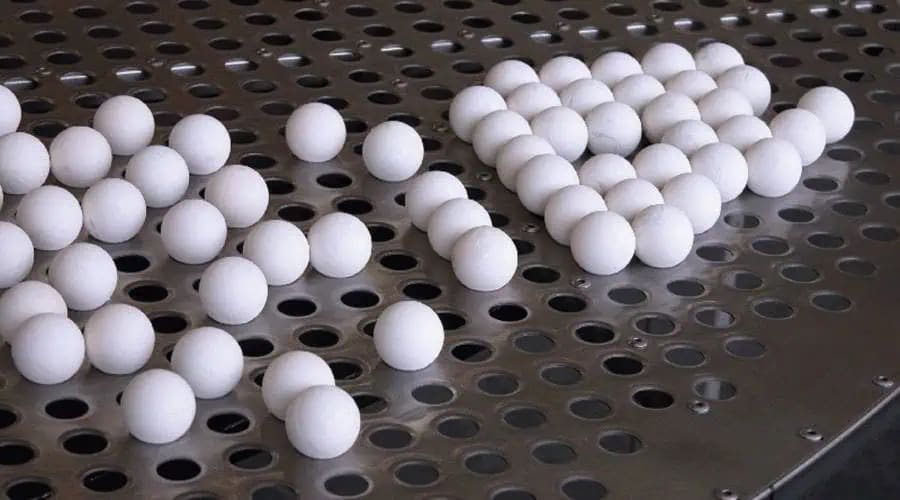
Cleaning ball
Cleaning balls run under the decks and strike the cloth from below. When correctly selected, they can release deposits and counter aperture blinding.
Confirm price, delivery and installation
Operating principle
Balls of rubber, silicone or polyurethane sit in compartments under the cloth. Screen motion makes them bounce; the impact frees deposits. Material and diameter follow temperature, product and aperture.
Where this machine is used
Anti-blinding on fine screens for powders, granules and hygroscopic materials.
Advantages
Impact from below against the cloth
Rubber, silicone or PU
Counters aperture blinding when correctly selected
Diameter by aperture
Technical data
Material
Rubber / silicone / PU
Diameter
On request
Service life
On request
Hardness
On request
Options
- Material by temperature and product
- Diameter by aperture
- Set-wise replenishment
Industries
- Screening
- Food & chemicals
- Maintenance
Material options
- Rubber
- Silicone
- Polyurethane
Frequently asked sizing questions
How are cleaning-ball material and diameter selected?
Selection criteria include product, temperature, cleaning chemicals, aperture, compartment geometry and required material documentation. An existing sample and machine reference reduce ordering risk.
Are cleaning balls suitable for every sticky material?
No. Effect and wear depend on moisture, stickiness, temperature and screen motion. For severe blinding, brushes, ultrasound or another screening principle may be more suitable and are assessed for the application.
What information is needed for food processes?
The customer must state contact conditions, temperature, cleaning method and required conformity or traceability evidence. Material suitability is not inferred from ball colour or name alone.
Related machines
Information for spare-part identification
These details help prevent mismatches before a quotation is prepared.
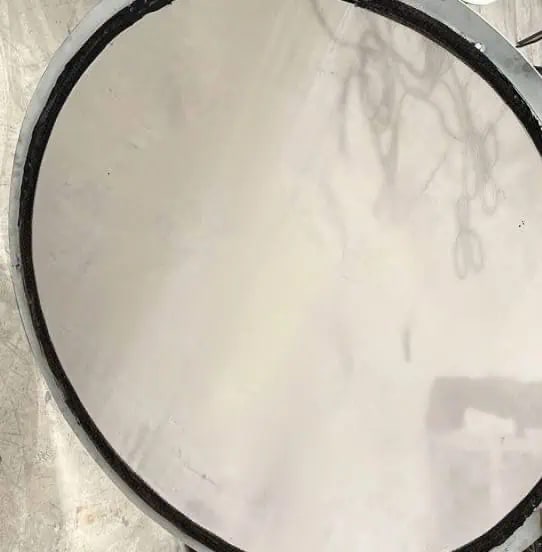
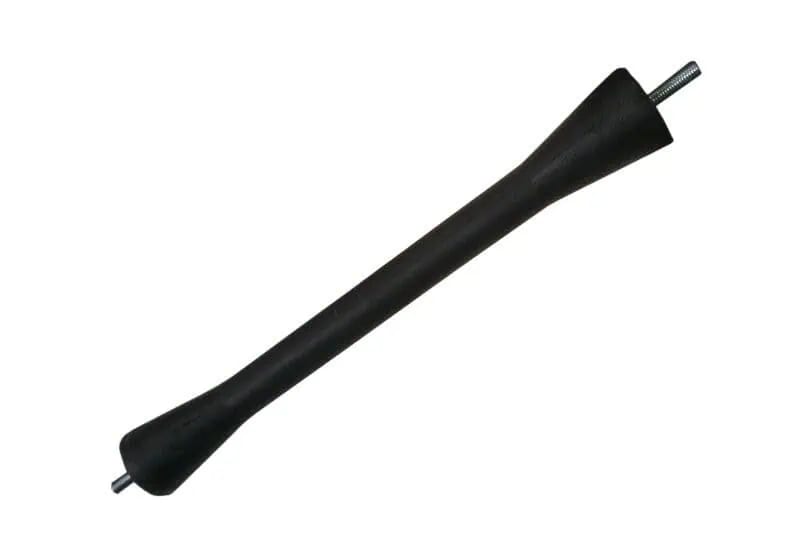
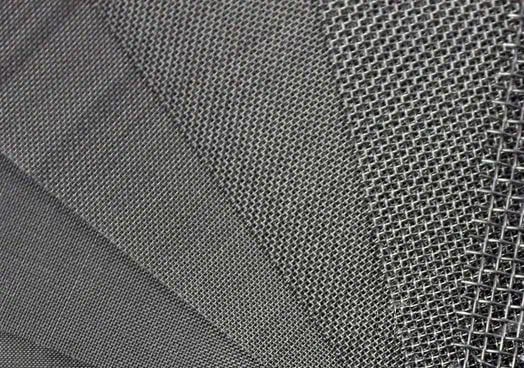
- Machine manufacturer, type and serial number
- Installation position and function of the component
- Dimensions, material and any marking or part number
- Medium, temperature and other operating conditions
- Clear photos, drawing or data sheet of the old part
Have the correct spare part identified
Provide the machine model, installation position, dimensions and old-part marking. Photos or drawings can be emailed to info@unionbridge.de with your company name.