
Spare parts
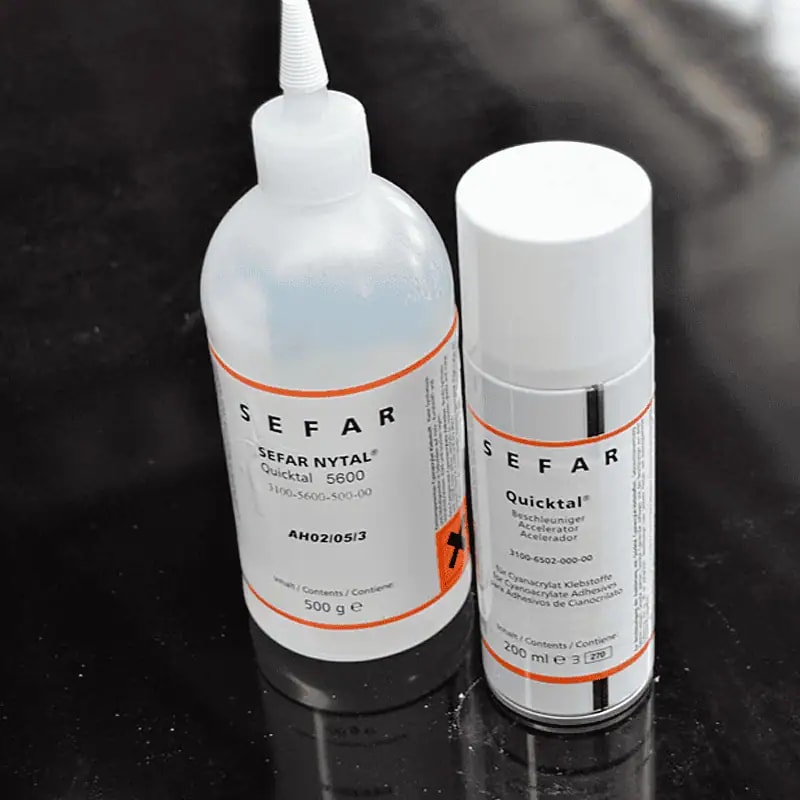
Screen adhesive
Screen adhesive bonds screen cloth to the frame. The formulation resists vibration, moisture and chemicals and cures quickly.
Confirm price, delivery and installation
Operating principle
The adhesive fills the contact zone between cloth and frame and forms a shear-resistant joint after cure. Resistance to vibration, moisture and chemicals holds the clothing in continuous duty. Fast cure shortens downtime when re-clothing.
Where this machine is used
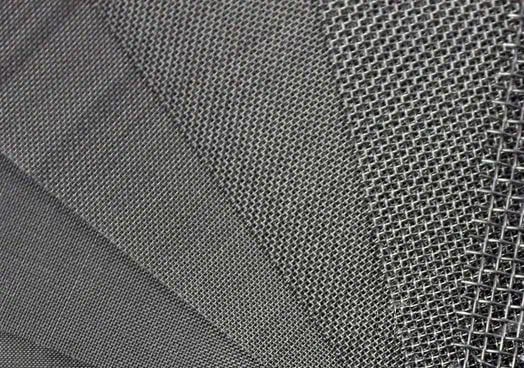
Mesh-to-frame bonding during re-clothing and repair of screen decks.
Advantages
Vibration-resistant mesh-to-frame joint
Resistant to moisture and chemicals
Fast cure
For industrial screen clothing
Technical data
Cure time
On request
Temperature resistance
On request
Chemical resistance
On request
Bond service life
On request
Options
- Pack size by consumption
- Working time by workshop sequence
- Supply with clothing material
Industries
- Screening
- Maintenance
- Workshop
Material options
- Industrial adhesive for metal and mesh contact
- Frame and cloth edges on screen decks
Frequently asked sizing questions
What data is needed to select a screen adhesive?
Required data includes frame and mesh material, surface condition, temperature, moisture, chemical contact, cleaning method, vibration load and available cure time. An existing data sheet or old adhesive sample helps comparison.
Is the adhesive suitable for food contact?
This can be confirmed only for a specifically identified product and intended contact type using valid manufacturer documentation. The generic term industrial adhesive is not evidence of food-contact suitability.
When can the screen operate after bonding?
Only after full cure stated in the manufacturer documentation for the temperature, layer thickness and ambient conditions. Working time and final strength are different values and are not treated as equivalent.
Related machines
Information for spare-part identification
These details help prevent mismatches before a quotation is prepared.
- Machine manufacturer, type and serial number
- Installation position and function of the component
- Dimensions, material and any marking or part number
- Medium, temperature and other operating conditions
- Clear photos, drawing or data sheet of the old part
Have the correct spare part identified
Provide the machine model, installation position, dimensions and old-part marking. Photos or drawings can be emailed to info@unionbridge.de with your company name.