
Spare parts
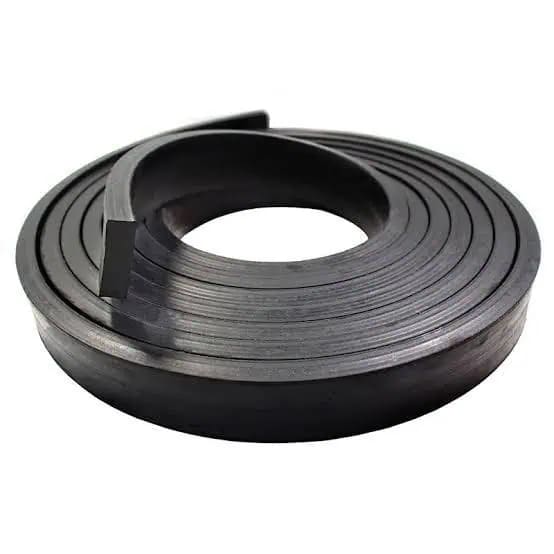
Screen gasket
Screen gaskets close the joint between decks and housing. Rubber or PU profiles keep dust in the process space and limit cross-contamination between fractions.
Confirm price, delivery and installation
Operating principle
An elastic profile sits in the parting joint. It follows the vibration without leaving the gap permanently open. Rubber and polyurethane are chosen by temperature, chemistry and section. Tight joints keep fines inside the housing.
Where this machine is used
Dust-tight separation of decks and housing on industrial screens.
Advantages
Dust-tight joint between deck and housing
Rubber or PU profile
Follows screen motion
Limits cross-contamination of fractions
Technical data
Material
Rubber / polyurethane
Section
On request
Temperature range
On request
Service life
On request
Options
- Section by joint
- Material by temperature and chemistry
- By-the-metre or moulded part
Industries
- Screening
- Food & chemicals
- Maintenance
Material options
- Rubber
- Polyurethane
Frequently asked sizing questions
Which dimensions are needed for a screen gasket?
Required data includes machine model, position, profile section, circumference or length, groove and connection dimensions, joint design and photos installed and removed. An outside dimension alone does not confirm fit.
How is gasket material selected?
Temperature, product, cleaning chemicals, oil or solvent contact, vibration travel and required evidence determine material and hardness. Rubber or PU is not universally suitable without media review.
Can dust tightness be guaranteed?
Only for a defined joint, installation, surface quality, movement and pressure difference. The gasket is one part of the system; binding tightness criteria must be agreed in the project specification.
Related machines
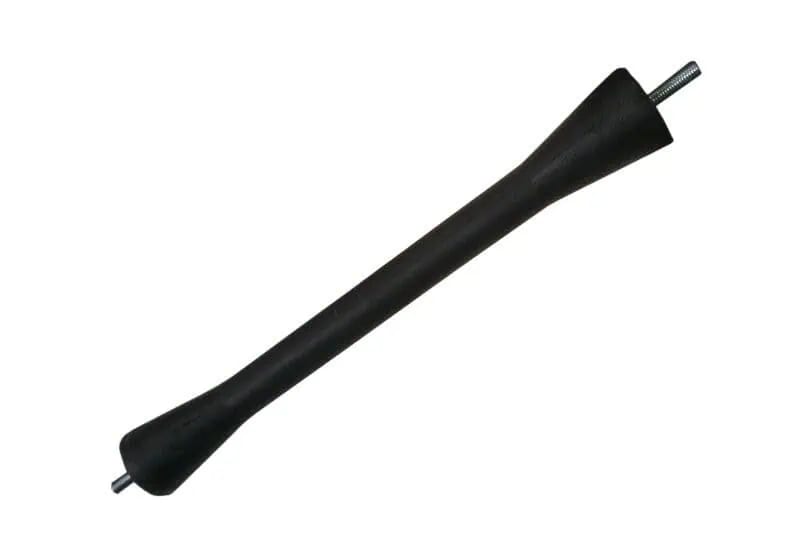
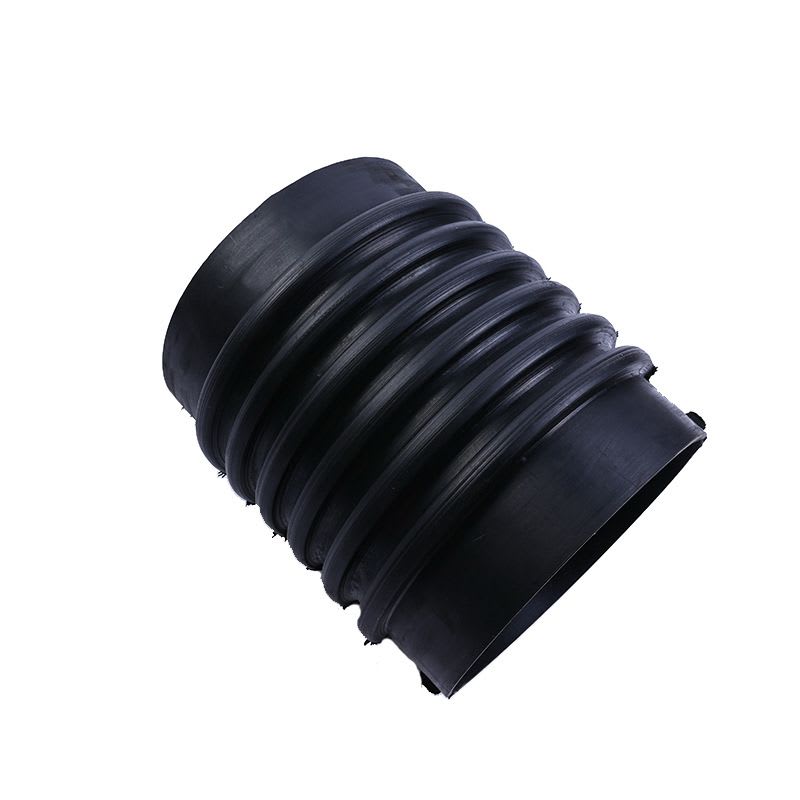
Information for spare-part identification
These details help prevent mismatches before a quotation is prepared.
- Machine manufacturer, type and serial number
- Installation position and function of the component
- Dimensions, material and any marking or part number
- Medium, temperature and other operating conditions
- Clear photos, drawing or data sheet of the old part
Have the correct spare part identified
Provide the machine model, installation position, dimensions and old-part marking. Photos or drawings can be emailed to info@unionbridge.de with your company name.