
Screening technology
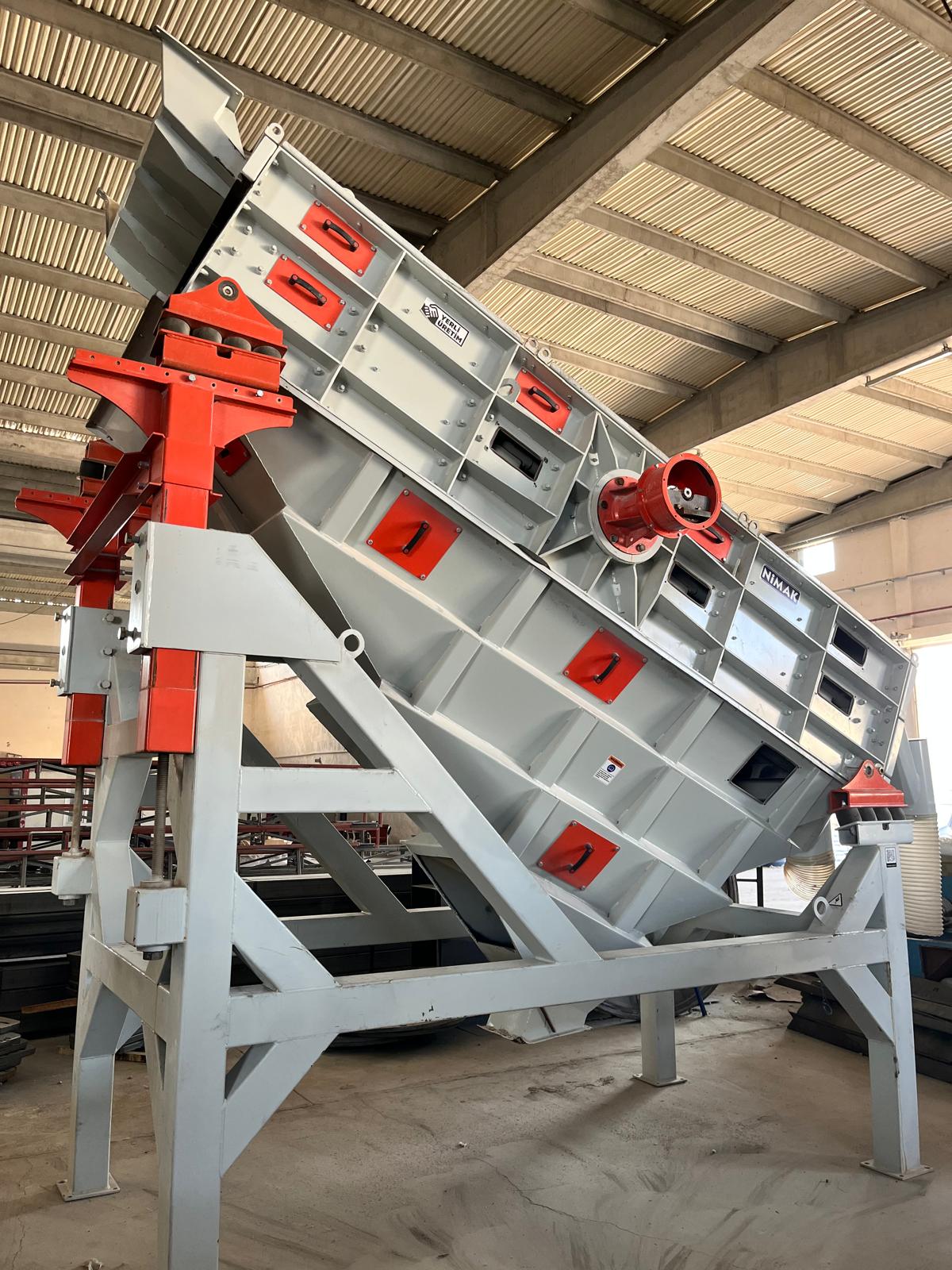
Chaotic screener
The chaotic screener generates irregular vibration at high amplitude. Sticky, moist or fibrous particles are loosened and pass the mesh without forming a closed layer.
Confirm price, delivery and installation
Operating principle
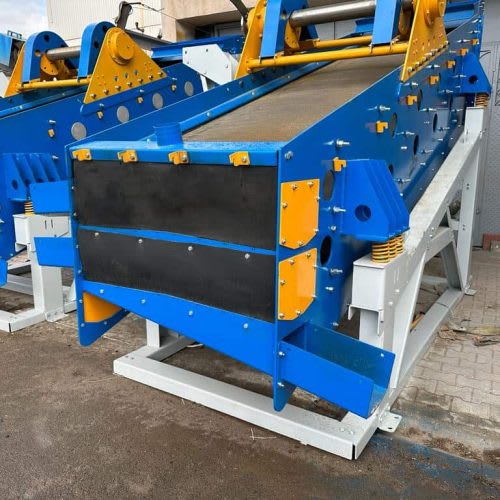
Instead of uniform circular or linear vibration, the machine uses chaotic, high-amplitude motion. Material is continually turned over so deposits break up. Project-specific polyurethane or spring-steel wire decks support duties involving abrasion and moisture.
Where this machine is used
This screening machine loosens sticky, moist and fibrous feed: spices, starch, dried fruit, sugar, chemicals, detergent, recyclables, fertiliser, compost, pulp and textile fibre.
Industries
Advantages
High amplitude against sticking and blinding
Project-specific PU and spring-steel wire surfaces
Compact footprint
Low energy demand
Technical data
Capacity
On request
Screen surface
PU / spring-steel wire, project-specific
Motor power
On request
Screen area
On request
Options
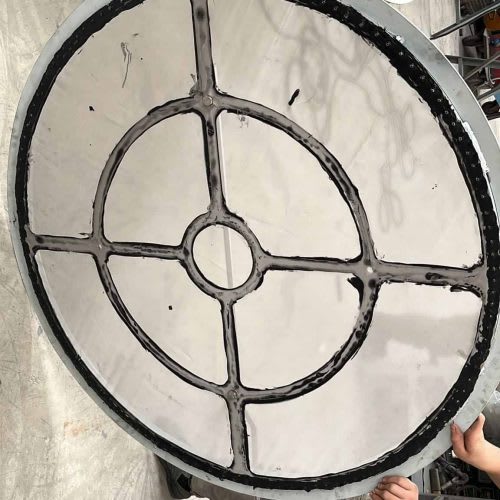
- Polyurethane deck selected by application
- Spring-steel wire cloth
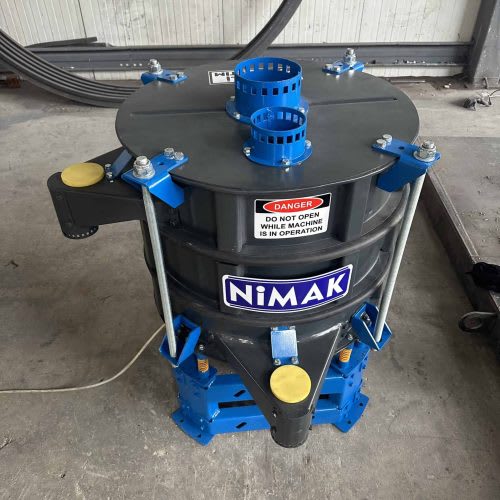
- Enclosed housing variant
- Dust-extraction connection
Industries
- Food & spices
- Chemicals & detergents
- Recycling & compost
- Fertiliser
- Textile & pulp
Material options
- Sticky spices and starch
- Moist concentrates
- Fibrous recyclables
- Fertiliser and compost
Frequently asked sizing questions
When should a chaotic screener be assessed?
It is considered when moist, sticky or fibrous materials tend to adhere to and blind conventional screen surfaces. Suitability is checked using actual material data.
How is the screen deck selected?
Material and configuration depend on abrasiveness, moisture, temperature, target particle size and cleaning requirements, so selection is confirmed for each project.
What data does UnionBridge need for a quote?
Please provide material, moisture, feed and target size, required throughput, operating hours, installation space and existing dust extraction. A material sample can help confirm the selection.
Related machines
Information for a reliable technical assessment
Complete process data helps us assess the machine, options and scope of supply more precisely.
- Feed material or workpiece and required process result
- Initial condition, target quality and required capacity or cycle time
- Operating conditions such as moisture, temperature, abrasion or hygiene requirements
- Available installation space and mechanical, electrical or process interfaces
- Required scope of supply and technical documentation
Have the machine sized for your process
Tell us the feed material, feed and target particle size, required capacity and operating time. We will assess the technically suitable configuration.