
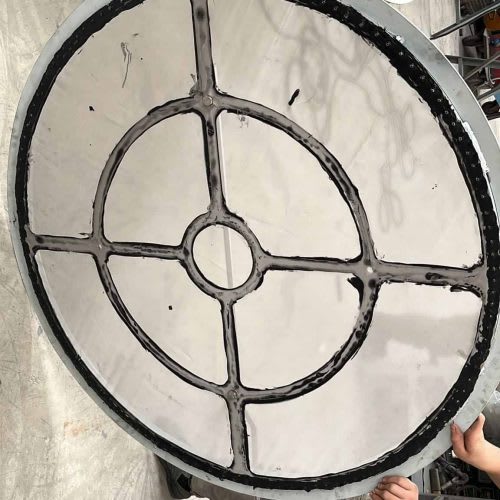
Screening technology
Ultrasonic screener
The ultrasonic screener superimposes high-frequency excitation of the cloth on the screening motion. This can help static, hygroscopic and agglomerating powders remain screenable. Achievable separation performance is sized from the material and trial data.
Confirm price, delivery and installation
Operating principle
An ultrasonic transducer couples high-frequency vibration into the screen cloth. Deposits and agglomerates are loosened to help apertures remain open during demanding fine-screening duties. Cut size, throughput and cloth selection are confirmed from material data or trials.
Where this machine is used
Ultrasonic screening machine for pharma, food, cosmetics, metal-powder, ceramic and chemical plants – especially where fine, hygroscopic or agglomerating powders blind the mesh.
Industries
Advantages
Cloth excitation against blinding
Fine screening based on material trials
Controlled cloth excitation
Suitable for hygroscopic powders
Technical data
Capacity
On request
Screen area
On request
Motor power
On request
Ultrasonic power
On request
Options
- Ultrasonic generator matched to screen area
- Stainless-steel housing
- Multiple decks
- Closed, dust-tight version
Industries
- Pharma
- Food & cosmetics
- Metal powders
- Ceramics & chemicals
Material options
- Pharmaceutical actives and excipients
- Food and cosmetic powders
- Metal powders
- Ceramic and chemical powders
Frequently asked sizing questions
When is an ultrasonic screener useful?
It is assessed when very fine, static, hygroscopic or agglomerating powders quickly blind the mesh. Whether ultrasound helps depends on the actual material behaviour.
Can the achievable cut size be guaranteed in advance?
Not without reliable product data or a trial. Cut size and throughput are assessed from size distribution, moisture, bulk density and material behaviour, and become binding only in the project specification.
What information should be included in the enquiry?
Include the material name, safety or product data sheet, size distribution, target size, moisture, temperature, required throughput and cleaning requirements. For sensitive products, also state material-contact and hygiene requirements.
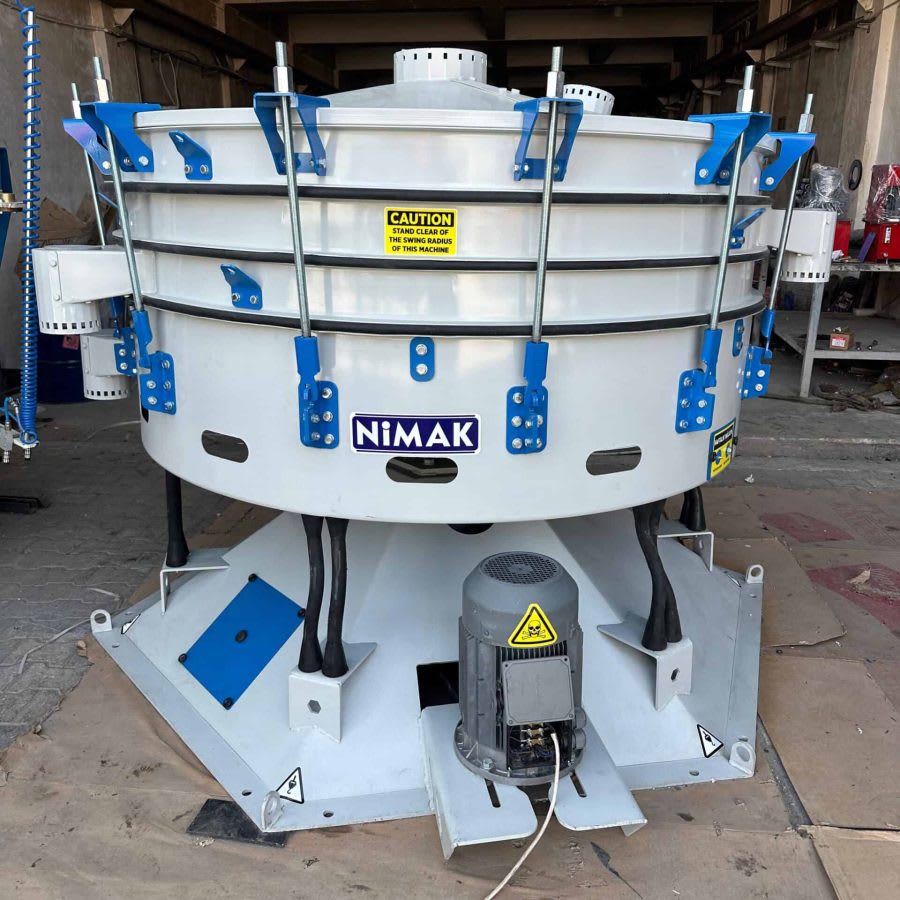
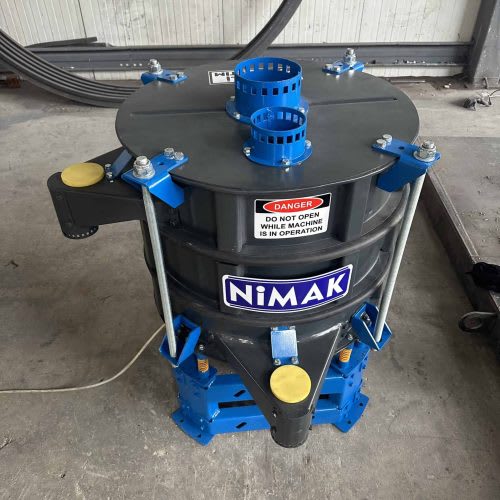
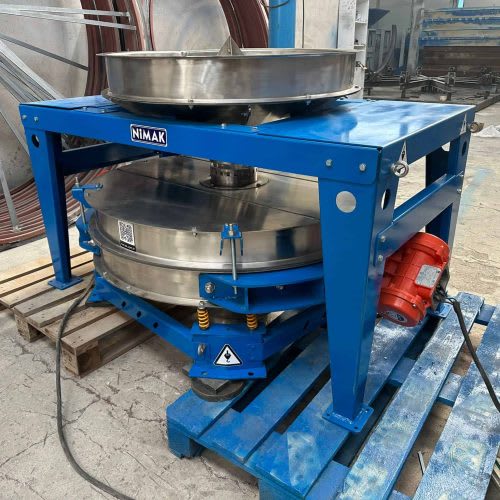
Related machines
Information for a reliable technical assessment
Complete process data helps us assess the machine, options and scope of supply more precisely.
- Feed material or workpiece and required process result
- Initial condition, target quality and required capacity or cycle time
- Operating conditions such as moisture, temperature, abrasion or hygiene requirements
- Available installation space and mechanical, electrical or process interfaces
- Required scope of supply and technical documentation
Have the machine sized for your process
Tell us the feed material, feed and target particle size, required capacity and operating time. We will assess the technically suitable configuration.