
Spare parts
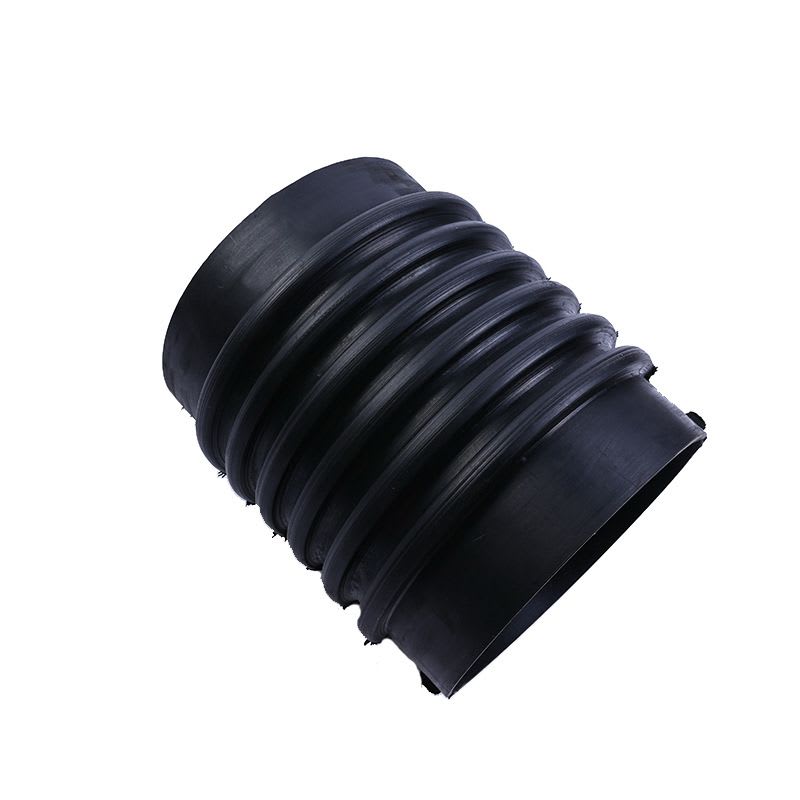
Compensator
The compensator takes relative motion between a screen or crusher and the fixed air or material duct. Rubber or fabric-reinforced bellows keep dust tightness despite vibration.
Confirm price, delivery and installation
Operating principle
A flexible bellow sits between machine and fixed-duct flanges. It allows axial, lateral and angular movement without losing tightness. Rubber and fabric reinforcement follow temperature, dust and travel.
Where this machine is used
Connection of vibrating screens and crushers to dust collection, chutes and pneumatic lines.
Advantages
Takes machine vibration travel
Rubber or fabric-reinforced bellow
Keeps dust tightness to the fixed duct
Protects neighbouring ducts from constraint
Technical data
Nominal size
On request
Allowable travel
On request
Material
Rubber / fabric-reinforced
Service life
On request
Options
- Size and length by connection
- Flange pattern by machine and duct
- Material by temperature and dust
Industries
- Screening and crushing
- Dust collection
- Maintenance
Material options
- Rubber
- Fabric reinforcement
Frequently asked sizing questions
What data is required for a compensator?
Required data includes size and length, flange pattern, axial, lateral and angular travel, frequency, pressure difference, temperature, medium, dust loading and orientation. Movement types must not be added without technical review.
May the compensator absorb pipe loads?
It is primarily intended for defined relative movement and does not replace adequately supported ducting. Weight, misalignment, pressure thrust and installation loads must be considered separately and controlled by suitable guides or anchors.
How is tightness defined before ordering?
Medium, particle size, pressure difference, temperature, movement and permitted leakage must be defined. A generic 'dust-tight' statement does not replace an agreed test condition; binding criteria belong in the specification and quotation.
Related machines
Information for spare-part identification
These details help prevent mismatches before a quotation is prepared.
- Machine manufacturer, type and serial number
- Installation position and function of the component
- Dimensions, material and any marking or part number
- Medium, temperature and other operating conditions
- Clear photos, drawing or data sheet of the old part
Have the correct spare part identified
Provide the machine model, installation position, dimensions and old-part marking. Photos or drawings can be emailed to info@unionbridge.de with your company name.