
Filtration technology
Jet-pulse filter
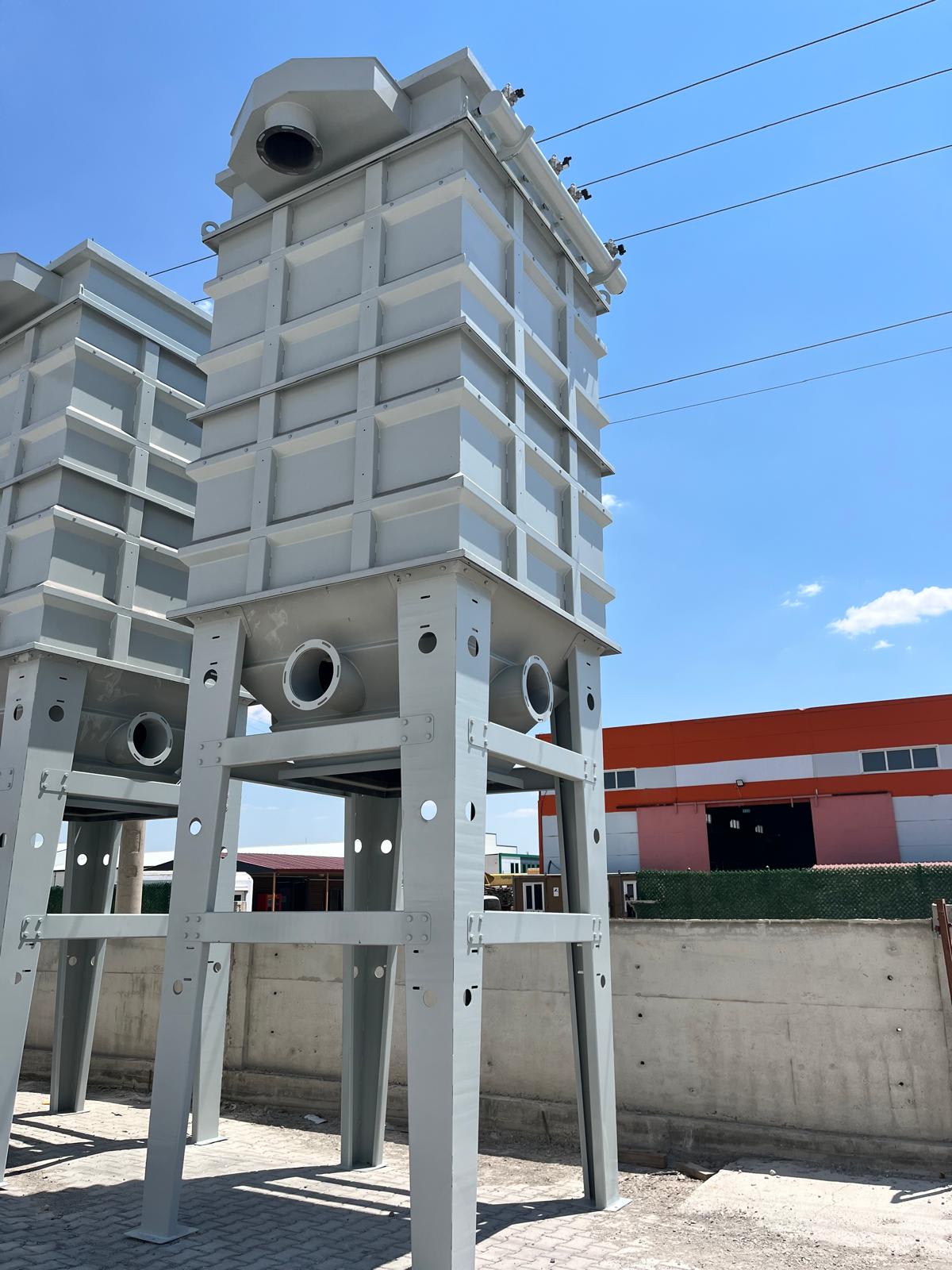
The jet filter separates dust on bags and cleans them with short compressed-air pulses. The modular build grows with air volume; bag change stays accessible.
Confirm price, delivery and installation
Operating principle
Dirty gas passes bag media; dust stays on the outside or inside of the cloth. Reverse air pulses release the cake into the hopper. Modules are assembled by air volume and dust type. Bag change is from the clean-air side without long scaffolding times.
Where this machine is used
Dust collection at crushers, screens, mills, conveyors and packing points – in cement, mining, food, chemicals and wood.
Industries
Advantages
Jet-pulse cleaning during operation
Modular expansion by air volume
Accessible bag change
Product and environmental protection at dust sources
Technical data
Air volume
On request
Filter area
On request
Number of bags
On request
Differential pressure
On request
Options
- Module count by air volume
- Bag grade by temperature and dust
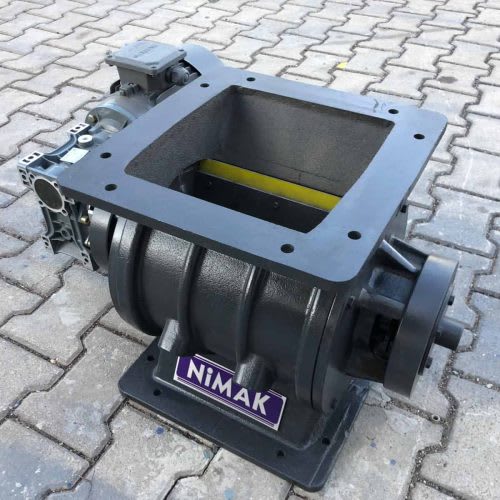
- Rotary-valve discharge
- Differential-pressure monitoring
Industries
- Cement & minerals
- Mining
- Food & chemicals
- Wood
Material options
- Cement and mineral dust
- Food and chemical dust
- Wood dust
Frequently asked sizing questions
What data is required for a jet-pulse filter?
Required data includes air volume, dust type and loading, temperature, moisture, particle-size range, process pressure, emissions target, operating hours and explosion or fire-risk information.
How is the filter medium selected?
The medium follows dust chemistry, temperature, moisture, abrasiveness, cleanability and permitted emissions. Selection is confirmed from actual process and safety data.
When is a cyclone used ahead of the jet filter?
A pre-separator can be useful with high coarse-dust or product loading to reduce bag-filter duty or recover product. The decision follows particle distribution, air volume and process objective.
Related machines
Information for a reliable technical assessment
Complete process data helps us assess the machine, options and scope of supply more precisely.
- Feed material or workpiece and required process result
- Initial condition, target quality and required capacity or cycle time
- Operating conditions such as moisture, temperature, abrasion or hygiene requirements
- Available installation space and mechanical, electrical or process interfaces
- Required scope of supply and technical documentation
Have the machine sized for your process
Tell us the feed material, feed and target particle size, required capacity and operating time. We will assess the technically suitable configuration.