
Crushing technology
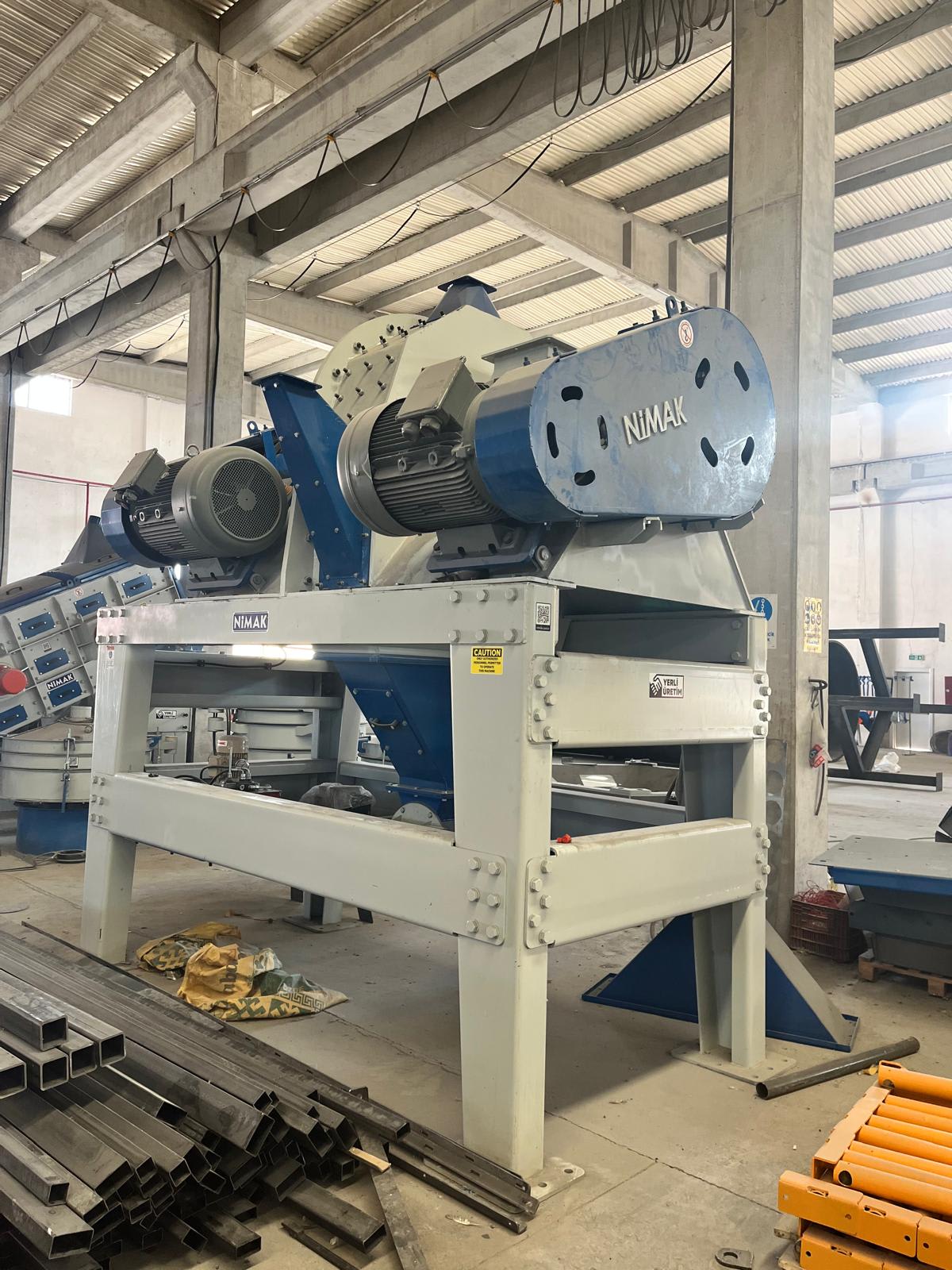
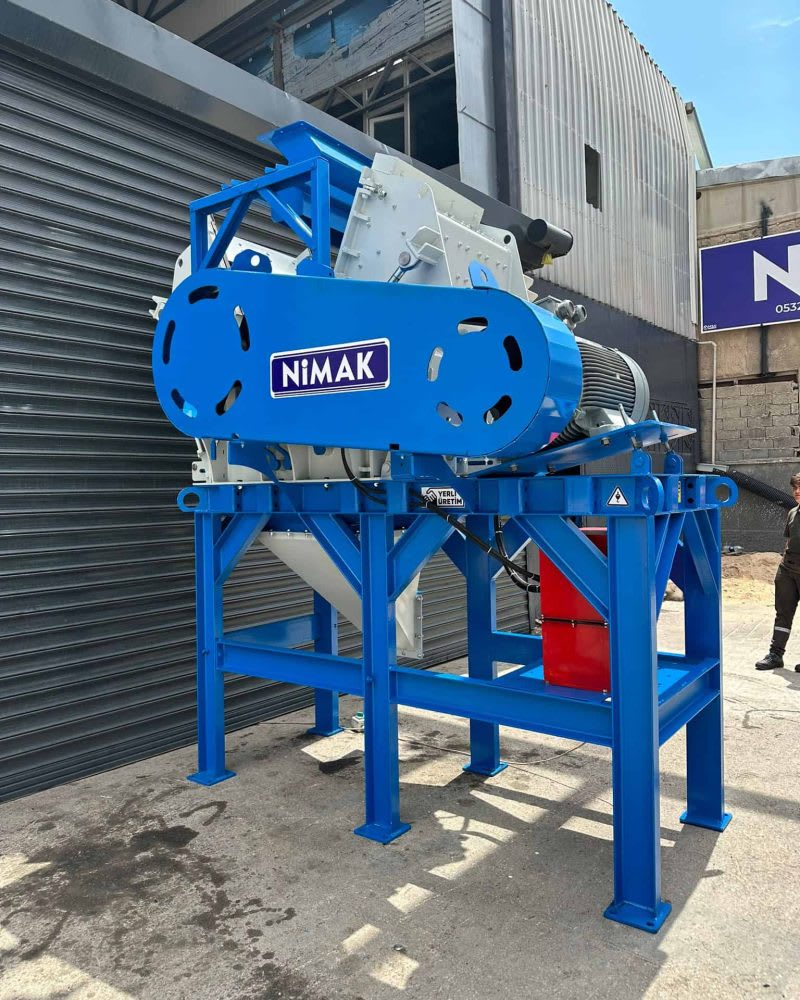
Cage crusher
The cage crusher reduces medium-hard, brittle and moist materials between concentric counter-rotating cages. Stepwise impact supports a controlled product distribution; drive and result are sized for the project.
Confirm price, delivery and installation
Operating principle
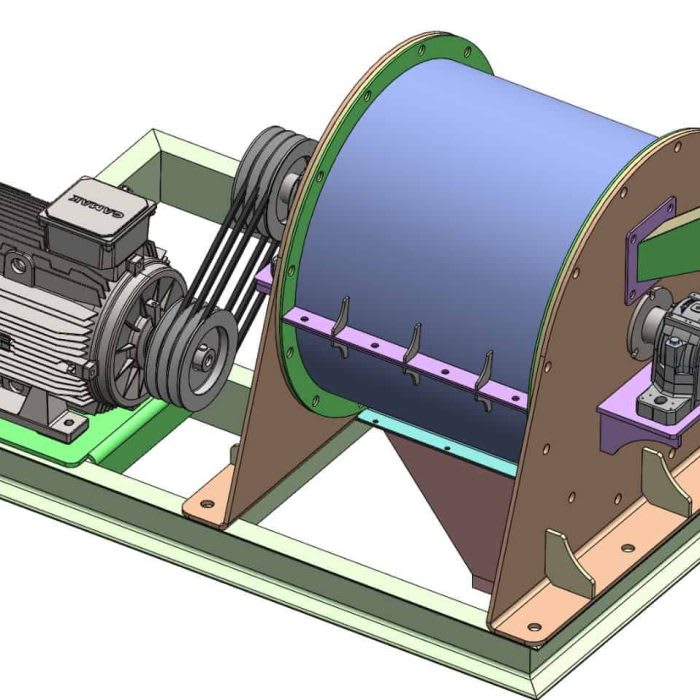
Two or more concentric cages run in opposite directions. Material travels from the inside out and takes a further impact at each stage. The open geometry can reduce the risk of tight material plugs; drive and wear protection are sized for the project.
Where this machine is used
Fertiliser, calcite, lime, coal, salt, chemical raw materials and agricultural products.
Industries
Advantages
Stepwise impact comminution
Compact, project-specific drive sizing
Open material path to limit plugging
Uniform product from medium-hard, brittle feeds
Technical data
Capacity
On request
Feed size
On request
Motor power
On request
Product size
On request
Options
- Cage set-up by product target
- Wear parts in replacement grade
- Dust-collection connection
- Adapted feeding
Industries
- Fertiliser industry
- Minerals
- Chemicals
- Agriculture
Material options
- Fertiliser and salt
- Calcite and lime
- Coal
- Chemical raw materials
Frequently asked sizing questions
Which materials suit assessment with a cage crusher?
Typical assessment duties include brittle to medium-hard raw materials and agglomerates, for example in fertiliser or mineral processes. Hardness, moisture, abrasiveness and target product distribution must be evaluated before selection.
How does a cage crusher differ from a hammer crusher?
A cage crusher uses several impact stages between counter-rotating cages; a hammer crusher uses hammers, breaker plates and often a grate. Selection follows material behaviour, feed size and required product.
What is needed for a reliable quote?
Send material data, size distribution, maximum feed size, target size, throughput, moisture, operating time and installation conditions. A trial may be appropriate when material behaviour is unknown.
Related machines
Information for a reliable technical assessment
Complete process data helps us assess the machine, options and scope of supply more precisely.
- Feed material or workpiece and required process result
- Initial condition, target quality and required capacity or cycle time
- Operating conditions such as moisture, temperature, abrasion or hygiene requirements
- Available installation space and mechanical, electrical or process interfaces
- Required scope of supply and technical documentation
Have the machine sized for your process
Tell us the feed material, feed and target particle size, required capacity and operating time. We will assess the technically suitable configuration.