
Crushing technology
Hammer crusher
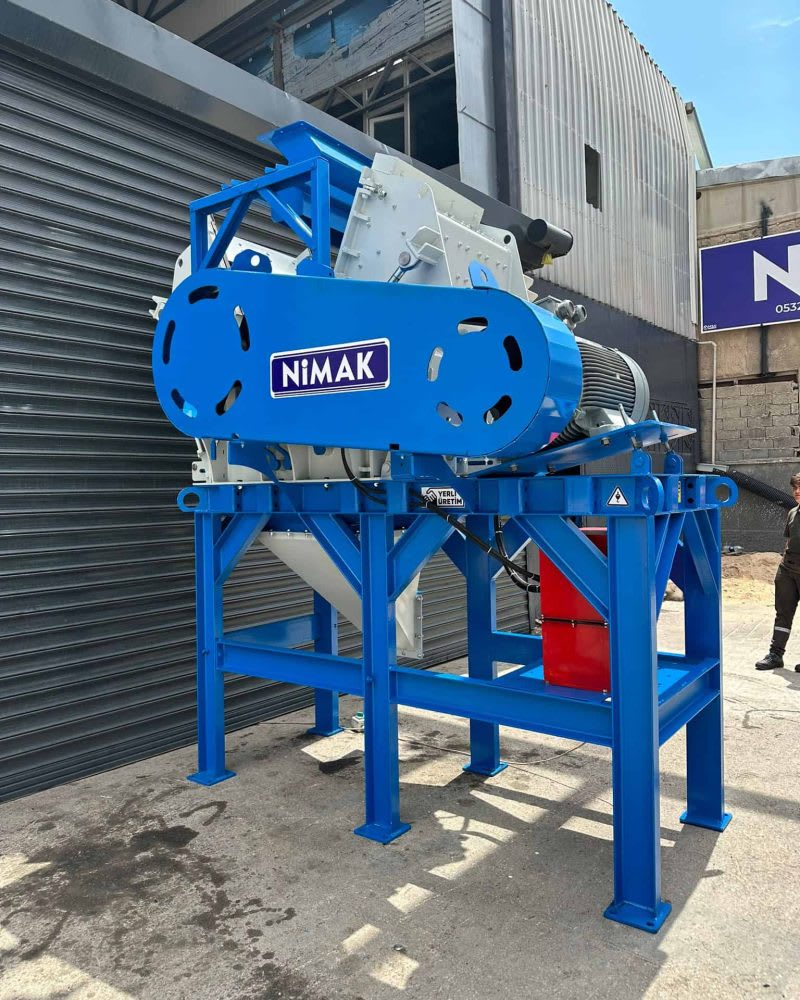
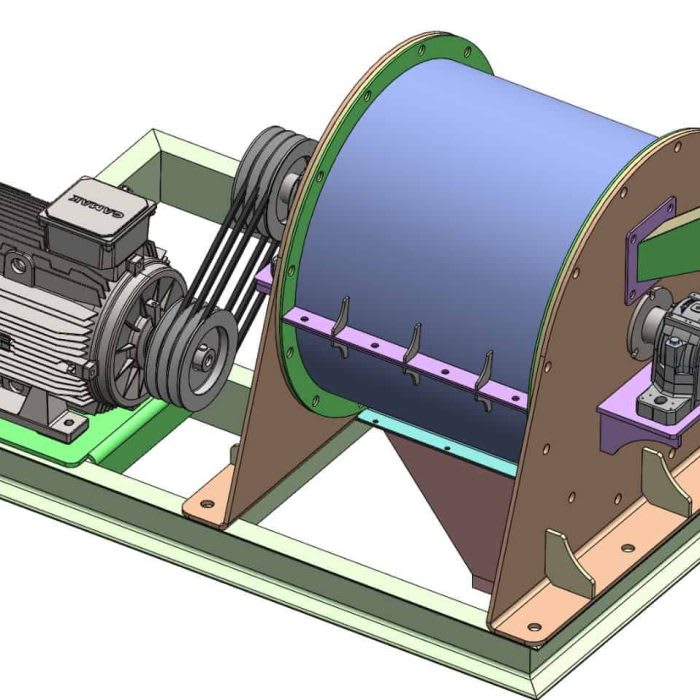
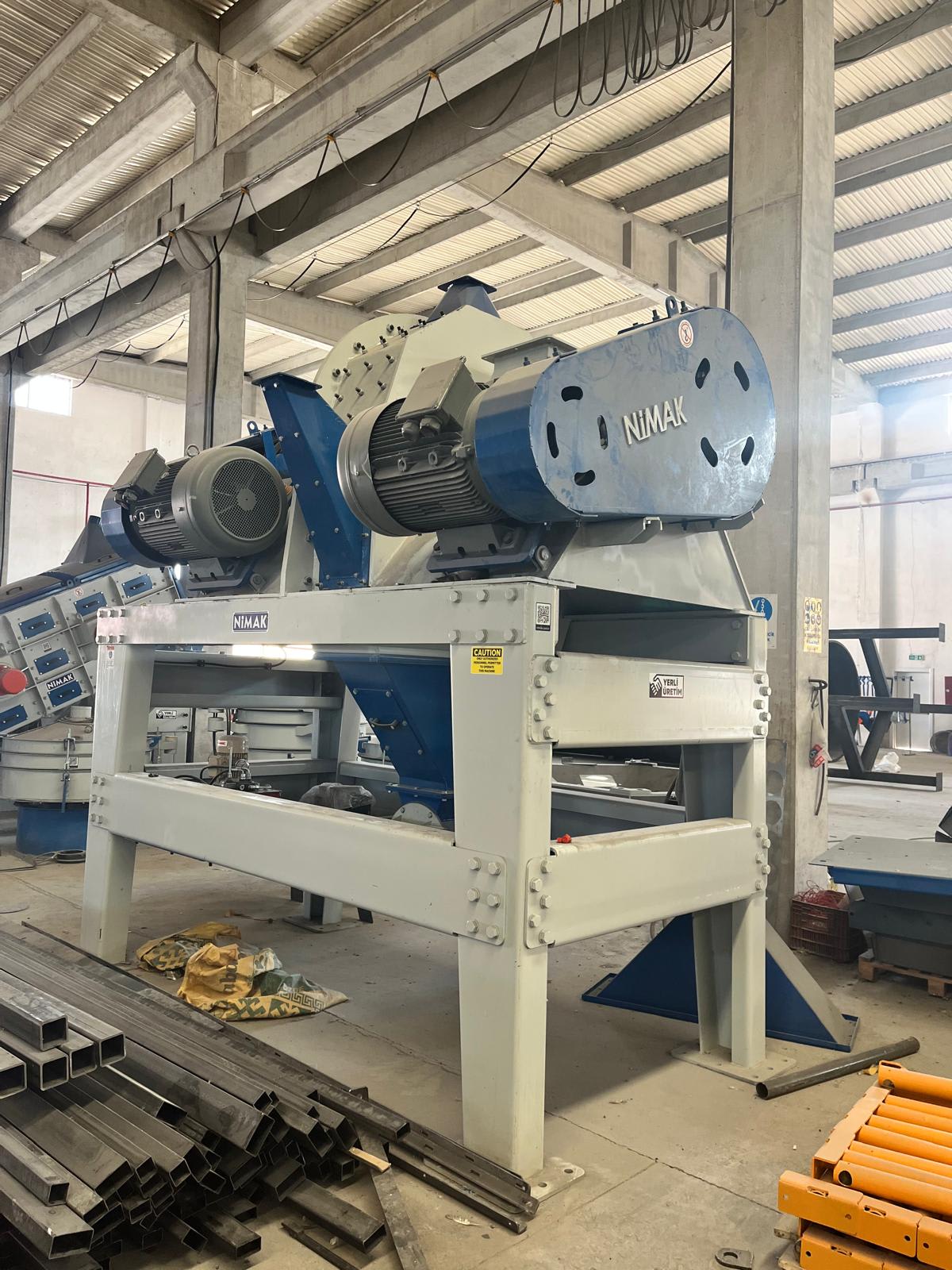
The hammer crusher reduces medium-hard minerals and organic materials by impact. Hinged hammers on a high-speed rotor strike the feed against breaker plates and the grate.
Confirm price, delivery and installation
Operating principle
Hammers are hinged on a rapidly rotating rotor. Feed is reduced by impact, secondary impact on the breaker plates and passage through the grate. Replaceable hammers and wear plates keep maintenance predictable. The grate gap sets the product size.
Where this machine is used
Calcite, limestone, coal, gypsum, salt, bran and medium-hard minerals in mining, cement, food and recycling.
Industries
Advantages
Hinged hammers, predictable wear change-out
Product size set by grate gap
Replaceable wear plates
For medium-hard, brittle materials
Technical data
Capacity
On request
Feed size
On request
Motor power
On request
Product size
On request
Options
- Different hammer materials
- Adapted grate gap
- Wear-plate packages
- Dust-collection connection
Industries
- Mining & minerals
- Cement
- Food
- Recycling
Material options
- Calcite and limestone
- Coal and gypsum
- Salt and bran
- Medium-hard minerals
Frequently asked sizing questions
Which materials suit a hammer crusher?
A hammer crusher is intended for brittle to medium-hard feed such as limestone, calcite, gypsum and coal. Hardness, moisture, abrasiveness, tramp material and target size must be checked before selection.
How is the required product size defined?
Final size is influenced by grate gap, rotor speed, hammer arrangement and material behaviour. Reliable sizing requires a representative feed-size distribution and the required product grading curve.
Which details are required for a quote?
Please provide material, maximum feed size, target size, capacity, moisture, operating mode and existing interfaces. Wear and tramp-material information helps select hammers, grate and protection components.
Related machines
Information for a reliable technical assessment
Complete process data helps us assess the machine, options and scope of supply more precisely.
- Feed material or workpiece and required process result
- Initial condition, target quality and required capacity or cycle time
- Operating conditions such as moisture, temperature, abrasion or hygiene requirements
- Available installation space and mechanical, electrical or process interfaces
- Required scope of supply and technical documentation
Have the machine sized for your process
Tell us the feed material, feed and target particle size, required capacity and operating time. We will assess the technically suitable configuration.