
Plant engineering
Crushing-screening plant
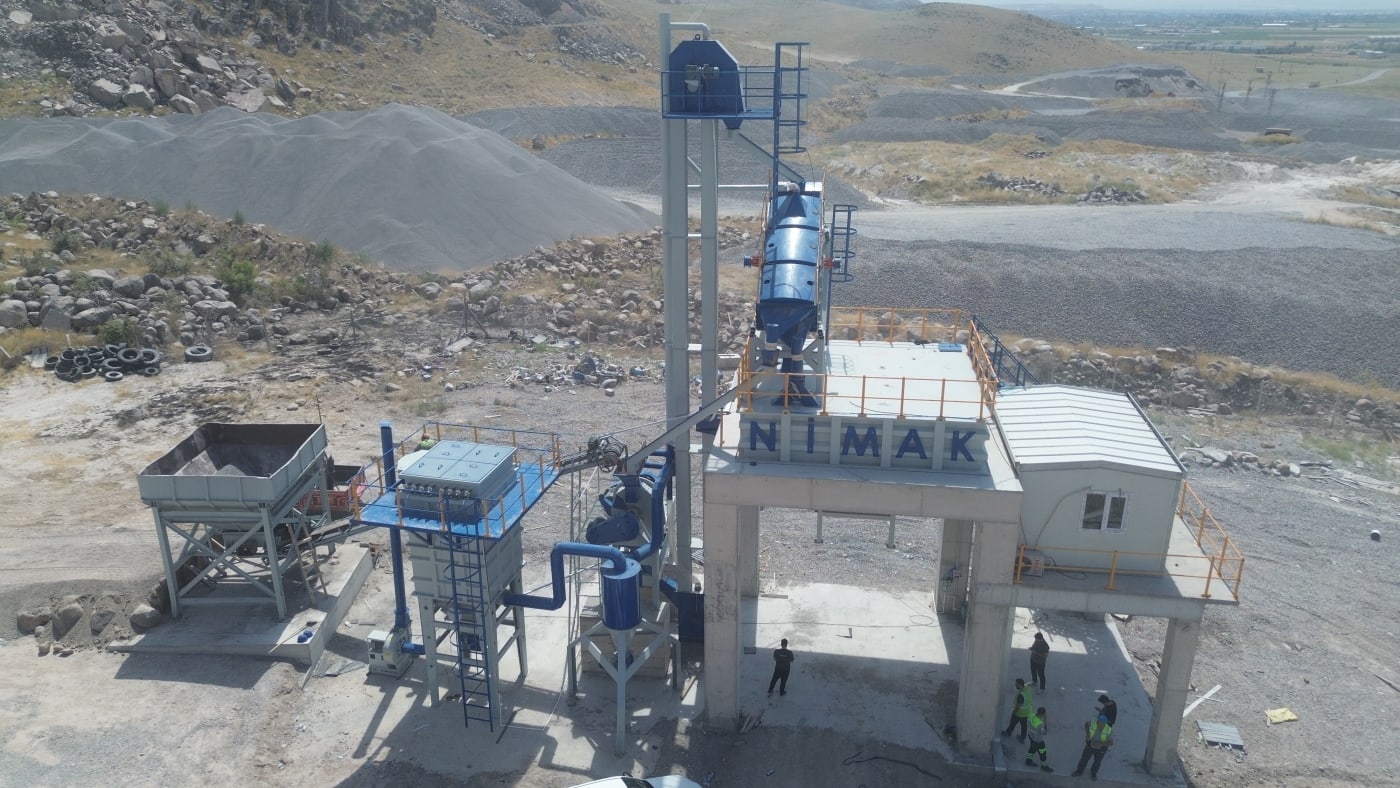
The crushing-screening plant links feeder, primary and secondary crushers, screens, conveyors and dust collection into one line. Stationary or mobile layout follows the site; automation keeps throughput and size together.
Confirm price, delivery and installation
Operating principle
Feed enters the primary crusher via the feeder, then secondary crushers and screens. Oversize returns to the circuit; product leaves on conveyors. Dust collection sits at transfers and machines. Control ties interlocks and target sizes. Stationary foundations or mobile modules follow ground and permits.
Where this machine is used
Quarries, mines and aggregates for concrete, asphalt and construction.
Advantages
Complete chain from feed to product
Stationary or mobile by site
Dust collection at transfers
Automated interlock and sizing
Technical data
Capacity
On request
Feed size
On request
Product size
On request
Layout type
Stationary or mobile
Options
- Stationary or mobile layout
- Primary and secondary crushers by rock
- Multi-deck screens and recirculation
- Dust collection and automation
Industries
- Quarry
- Mining
- Aggregates for concrete and asphalt
- Construction
Material options
- Limestone and hard rock
- Sand and gravel
- Recycled demolition rubble
Frequently asked sizing questions
What data is needed to plan a crushing-screening plant?
Required data includes rock type, hardness and abrasiveness, maximum feed size, size distribution, moisture, required products and volumes, operating hours, site plan, power supply and permit requirements.
Stationary or mobile plant—how is the choice made?
The choice follows project duration, relocation needs, ground and foundations, permits, transport dimensions, required capacity and maintenance access. A site layout is especially useful.
What should a reliable plant quotation contain?
At minimum: process flow, main units, input and output data, supply boundaries, automation, dust control, layout, customer-supplied works, spares, schedule basis and acceptance criteria.
Related machines
Information for a reliable technical assessment
Complete process data helps us assess the machine, options and scope of supply more precisely.
- Feed material or workpiece and required process result
- Initial condition, target quality and required capacity or cycle time
- Operating conditions such as moisture, temperature, abrasion or hygiene requirements
- Available installation space and mechanical, electrical or process interfaces
- Required scope of supply and technical documentation
Have the machine sized for your process
Tell us the feed material, feed and target particle size, required capacity and operating time. We will assess the technically suitable configuration.