
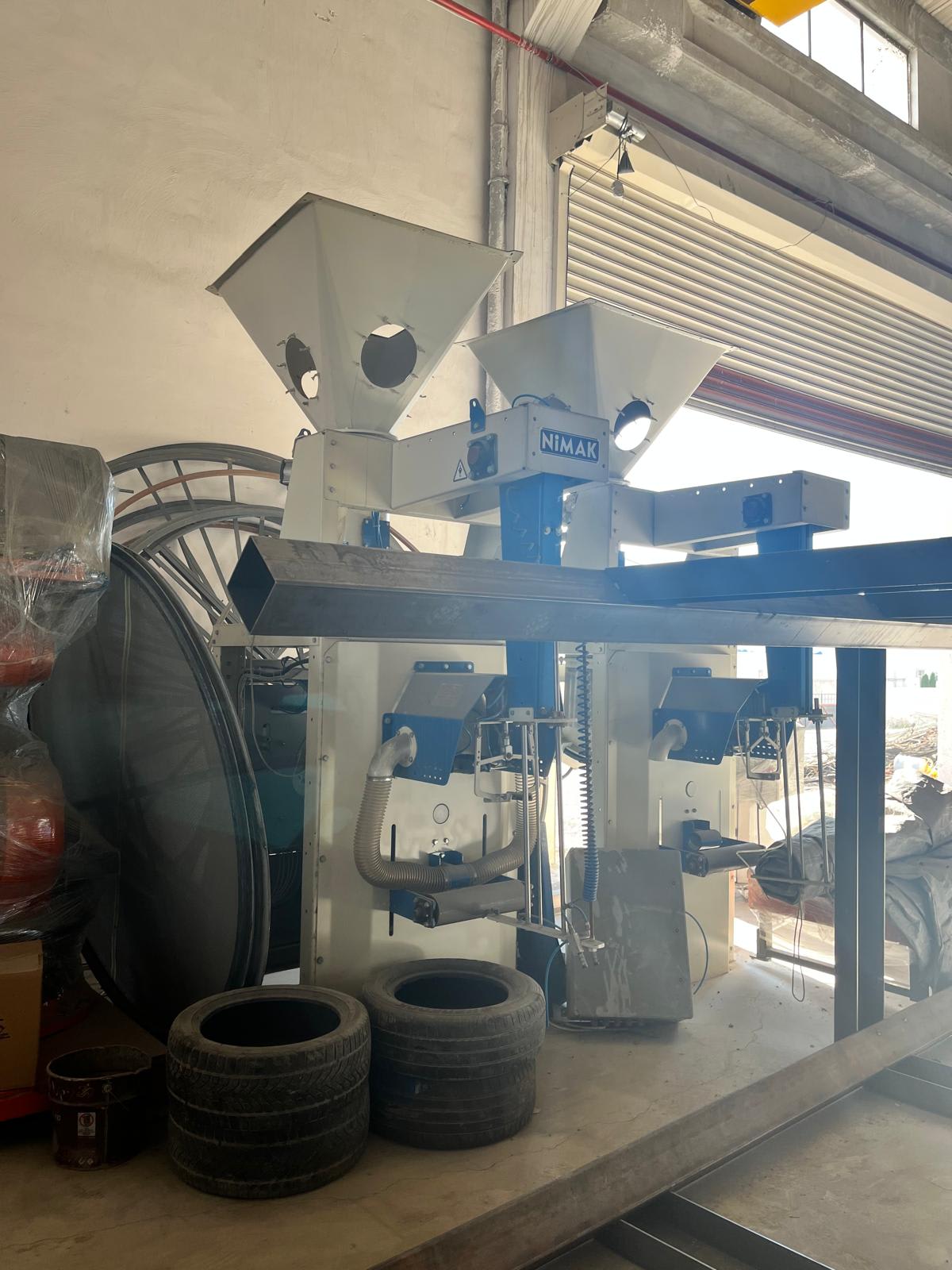
Feeding & dosing
Powder dosing
Powder dosing combines weighing with screw or vibratory feed. Closed runs and PLC recipes keep rates repeatable – including stainless steel for food, pharma and chemicals.
Confirm price, delivery and installation
Operating principle
A scale drives a screw or vibrating trough to set-point. The run stays closed so dust and moisture do not spoil the result. PLC recipes switch product, target and start ramps. Stainless versions meet hygiene needs ahead of bag, pail or big-bag packing.
Where this machine is used
Food, pharma, chemicals, construction chemicals and fertiliser – as dosing ahead of bag, pail or big-bag packing.
Industries
Advantages
Weighing plus screw or vibration
Closed, low-dust run
PLC recipes for product change
Stainless steel for hygienic processes
Technical data
Dosing rate
On request
Weighing accuracy
On request
Drive power
On request
Control
PLC with recipes
Options
- Screw or vibratory doser
- Stainless-steel version
- Recipe management
- Tie-in to packing line
Industries
- Food
- Pharma
- Chemicals & construction chemicals
- Fertiliser
Material options
- Food and pharma powders
- Chemical and dry-mix powders
- Fertiliser
Frequently asked sizing questions
How does industrial powder dosing work?
Powder is discharged from a storage vessel in a controlled manner and fed to a process stage. Depending on the material, this can use a screw or vibrating trough. Weighing and control equipment compare actual and target values and adjust the feed to the selected operating mode.
Screw feeder or vibratory feeder?
Selection depends on bulk density, particle shape, flowability, bridging, segregation tendency, product sensitivity, cleaning and the downstream process. Both principles therefore need assessment using actual product and operating data.
Which process data do we need?
Please provide material, bulk density, particle size, moisture, flow behaviour, dose per unit of time or batch, required repeatability, operating time and temperature. The request should also cover the storage vessel, downstream equipment, materials of construction, cleaning, dust control and automation.
When is additional testing required?
Poor-flowing, sticky, very dusty, hygroscopic or segregation-prone products may require discharge aids, different geometry or trials with original material. A specific dosing accuracy can only be assessed after the product, dosing range, measurement principle and operating conditions have been defined.
Related machines
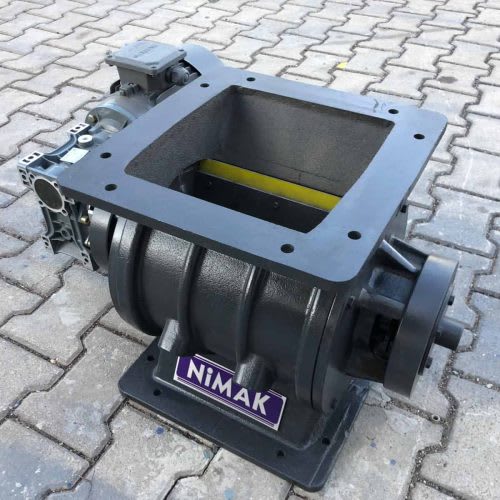
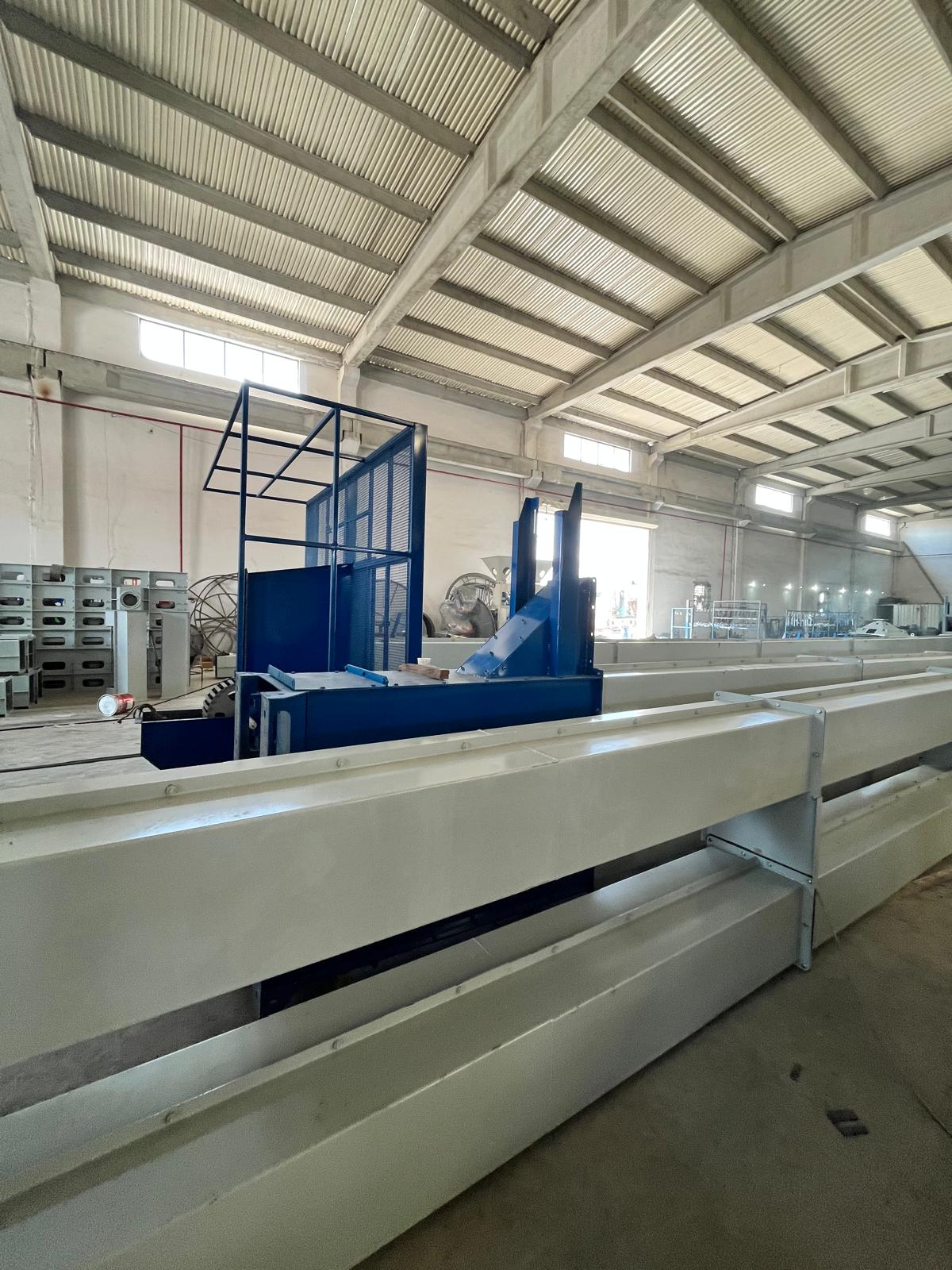
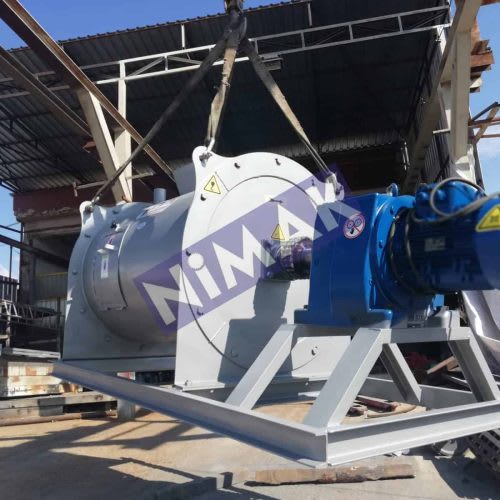
Information for a reliable technical assessment
Complete process data helps us assess the machine, options and scope of supply more precisely.
- Feed material or workpiece and required process result
- Initial condition, target quality and required capacity or cycle time
- Operating conditions such as moisture, temperature, abrasion or hygiene requirements
- Available installation space and mechanical, electrical or process interfaces
- Required scope of supply and technical documentation
Have the machine sized for your process
Tell us the feed material, feed and target particle size, required capacity and operating time. We will assess the technically suitable configuration.